
I’m a sucker for a good roll-and-write. Yes, we’ve been a bit overloaded with them lately, and often it’s just a new theme pasted onto the same mechanics over and over. But give me some dice or cards, a bunch of impactful choices to make, and I’m good to go.
I also think that roll-and-writes can have a lot of characteristics that make them a perfect fit for families or more casual gamers. Simple rules, quick turns, lots of little decisions, and something that doesn’t require a 20-minute explanation before anyone can have fun. Dinosaur Exhibit falls firmly into this category.
Night at the Muesem
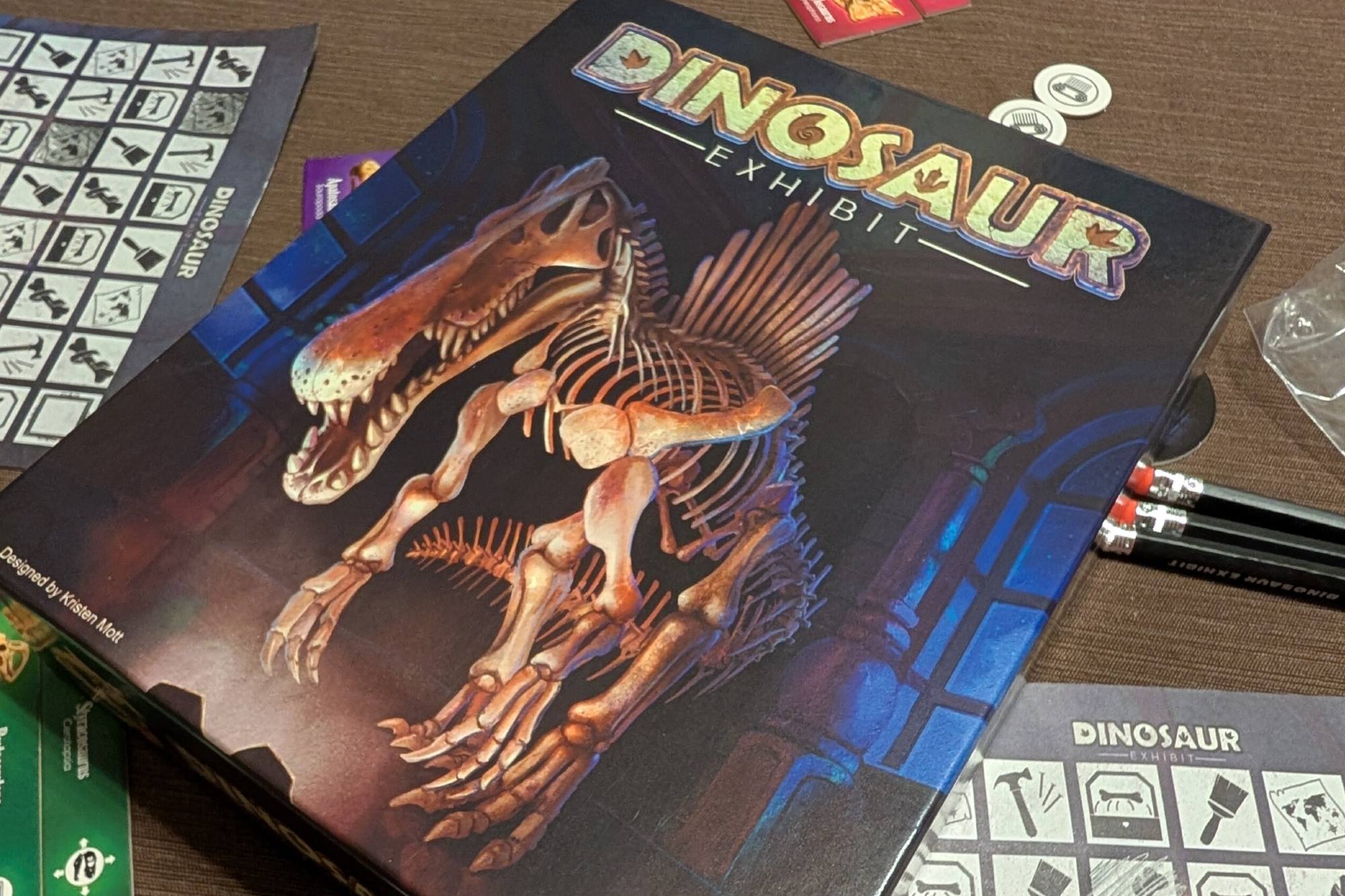
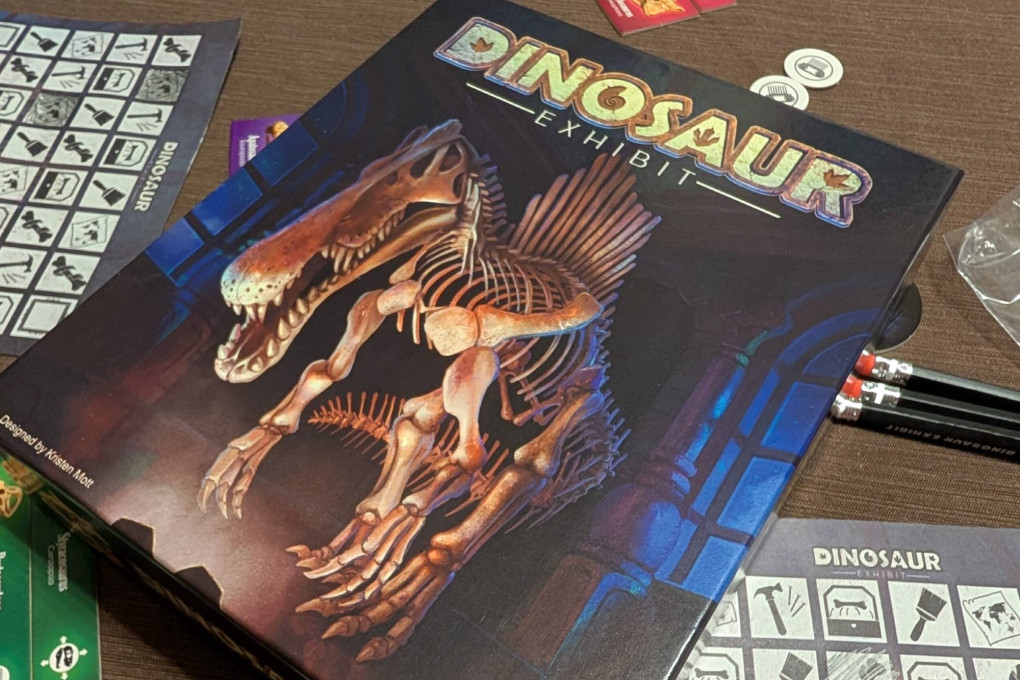
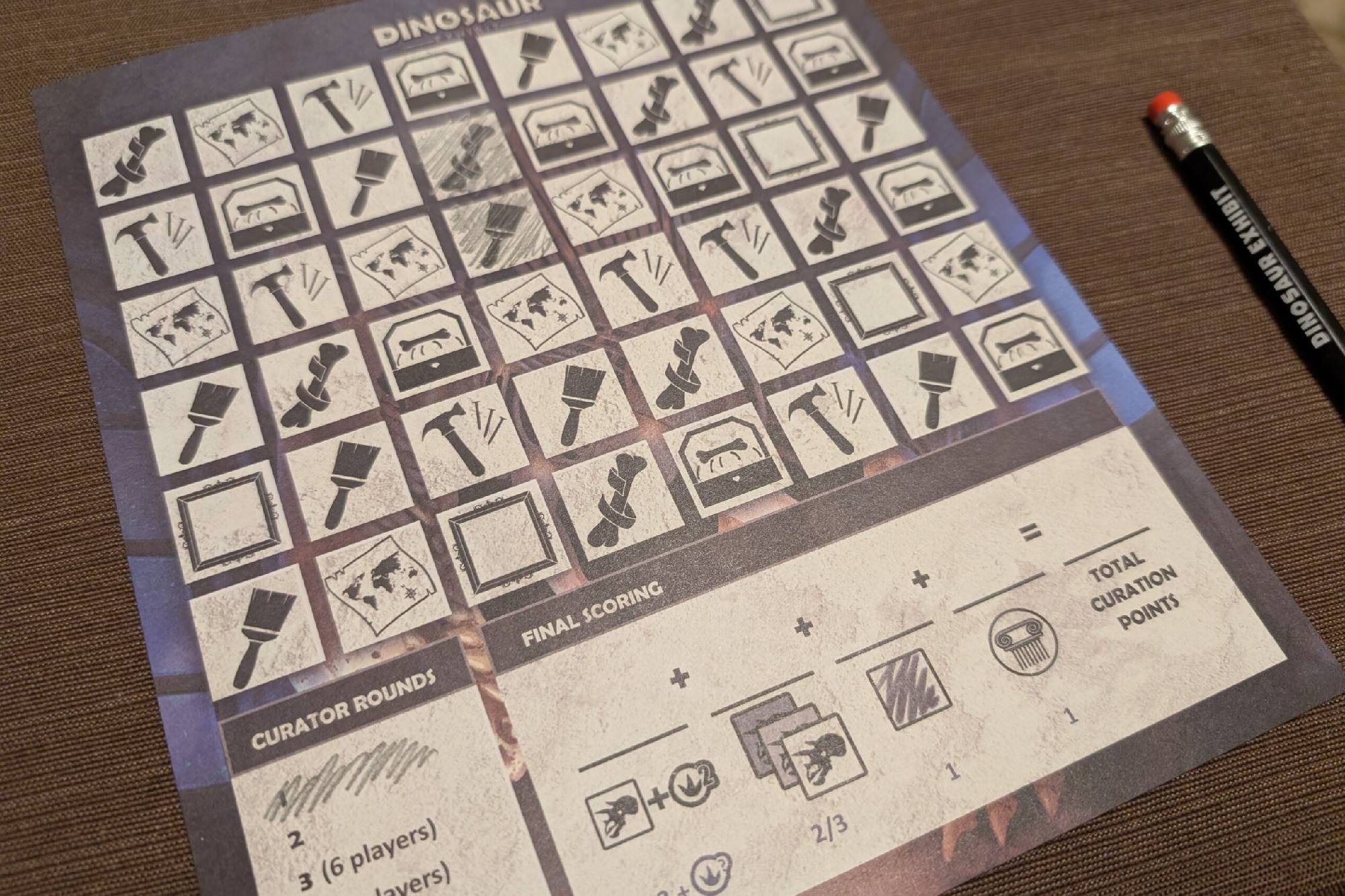
Dinosaur Exhibit is a light roll-and-write game where players take on the role of museum curators, slowly expanding their exhibits by filling in spaces on their personal boards and placing fossil tiles. Dice are rolled, symbols are chosen, and everyone marks off matching spaces at the same time. The active player (the one who rolled all the dice) also gets a few extra opportunities to push their luck or gain a small edge. Once you’ve filled in the right shapes, you can place fossil tiles onto your board, which lock into place and contribute to your final score.
If you’ve played many roll-and-writes before, you’ll recognize this structure immediately. You’re trying to make rectangles. Those rectangles let you place fossils. The fossils score points and sometimes grant small bonuses. There’s a bit of tension in deciding when to spend limited resources and when to hold back, but the decision space is intentionally narrow. This is not a game about one choice chaining into seventeen others. It’s about steady progress and incremental gains.
A Meaty Game?
For more experienced gamers, especially those who love the genre, Dinosaur Exhibit is probably going to feel a little thin. If you’re used to games like Hadrian’s Wall or Welcome To…, where a single decision can snowball into multiple consequences, there just isn’t enough meat on these dinosaur bones (ha!) to stay satisfying over the long haul. You’re rarely setting up future turns in a meaningful way, and while the bonuses are nice, they don’t radically change how you approach the game.
But viewed through a different lens — especially as a family game — Dinosaur Exhibit makes a lot more sense. As an introduction to roll-and-writes for younger players, it’s a solid choice. The dice give structure, the boards are clear, and the goals are easy to understand.
You can absolutely see the difference between playing thoughtfully and just filling in spaces at random, which is important for kids who are starting to understand that it’s a lot more fun when their choices matter. At the same time, there’s enough luck in the dice rolls that adults don’t automatically dominate the table.
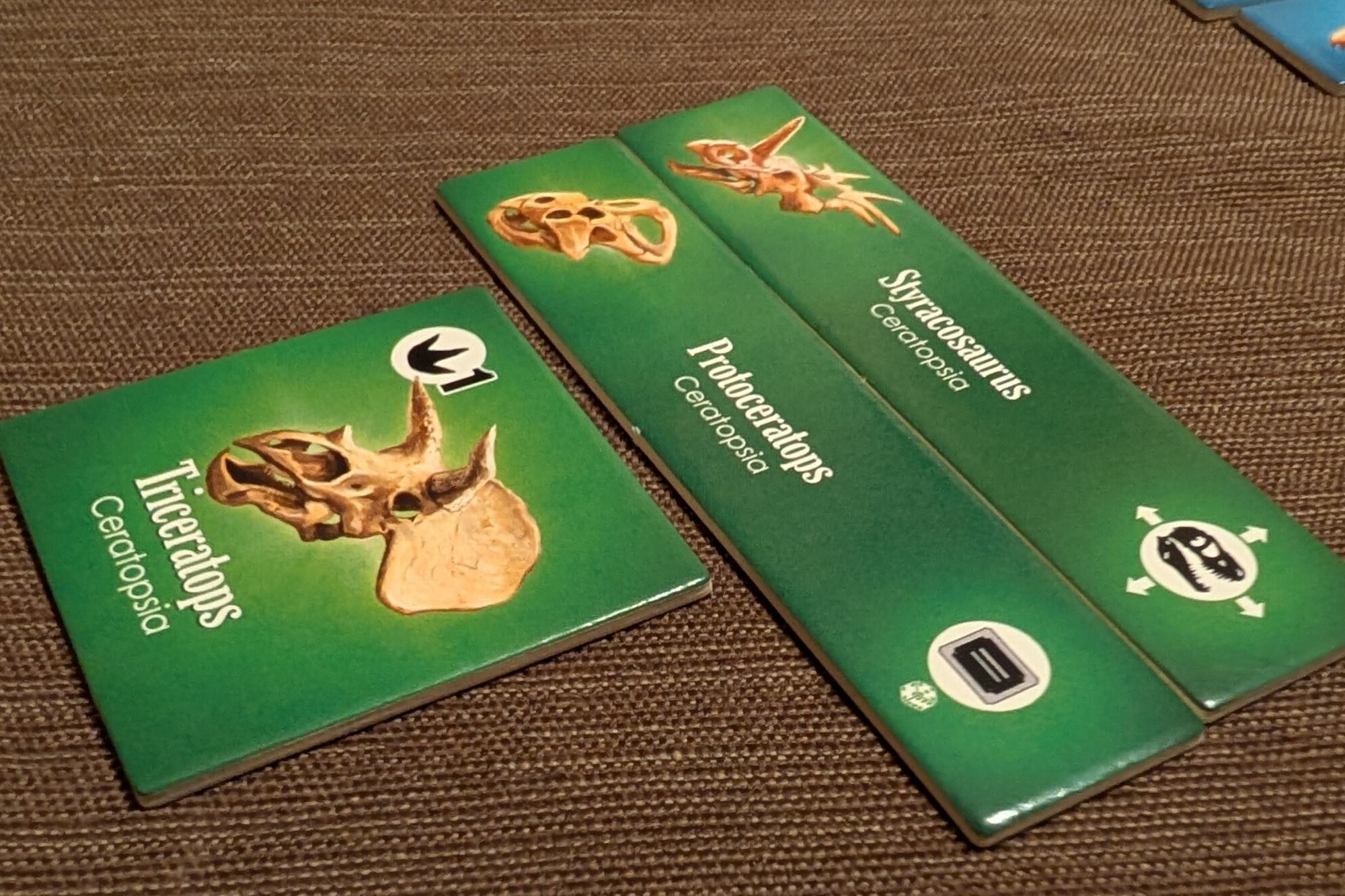
The artwork supports that tone as well. There’s an almost scientific, museum-like quality to the presentation. I wouldn’t describe it as flashy or particularly creative, but it does a good job of reinforcing the theme. This feels like dinosaurs as exhibits rather than cartoon characters, which might strike some players as a little bland, but it fits the idea of curating a museum pretty well.
Because of that, I see Dinosaur Exhibit working best for specific audiences. Maybe kids in the 8–10 range who are into dinosaurs and ready for a game that asks just a little more of them. Maybe that great aunt that wants to play games with the family but doesn’t want to think too hard.
What I wouldn’t do is bring this out for a regular gaming group that is looking for a deeper challenge. Once you understand what Dinosaur Exhibit is doing, there isn’t much left to uncover. There are other roll-and-writes that offer more tension, more variety, and more opportunities for clever play.
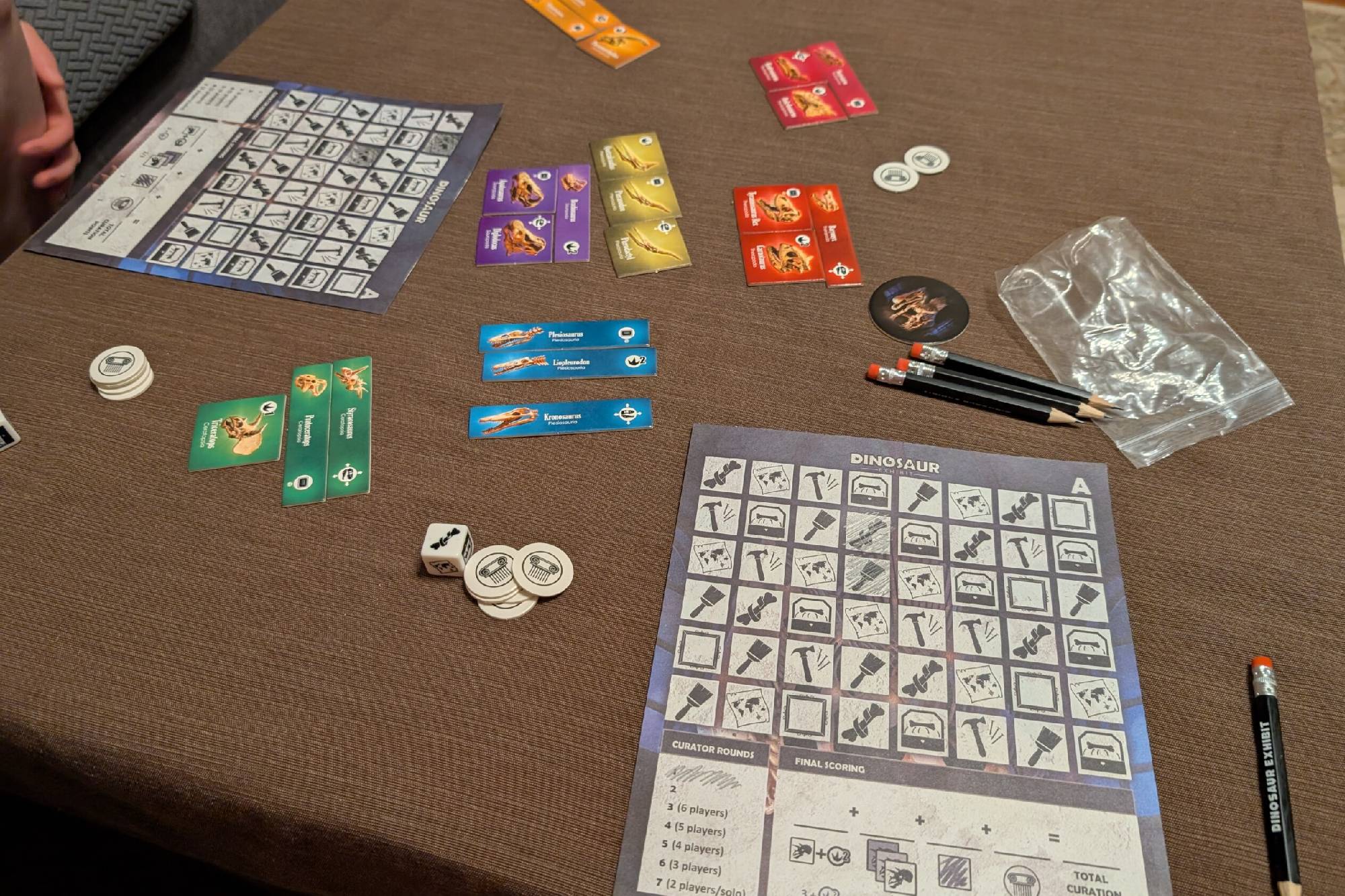
Dinosaur Exhibit knows exactly what it wants to be. It’s approachable, thematic, and easy to teach, with just enough decision-making to keep things interesting for families. As a gateway into the roll-and-write genre, it does its job well — just don’t expect it to scratch the same itch as the heavier hitters.
You can find Dinosaur Exhibit at your local game store or find a copy of the game on the second hand market.
Highs
- Excellent roll-and-write entry point
- Family-friendly without losing quality
- Simultaneous play keeps things moving
Lows
- Limited depth for more experienced gamers
- Not the most engaging table presence
Complexity

Time Commitment
Replayability